A Nordic design tradition

Function,
arriving as light.

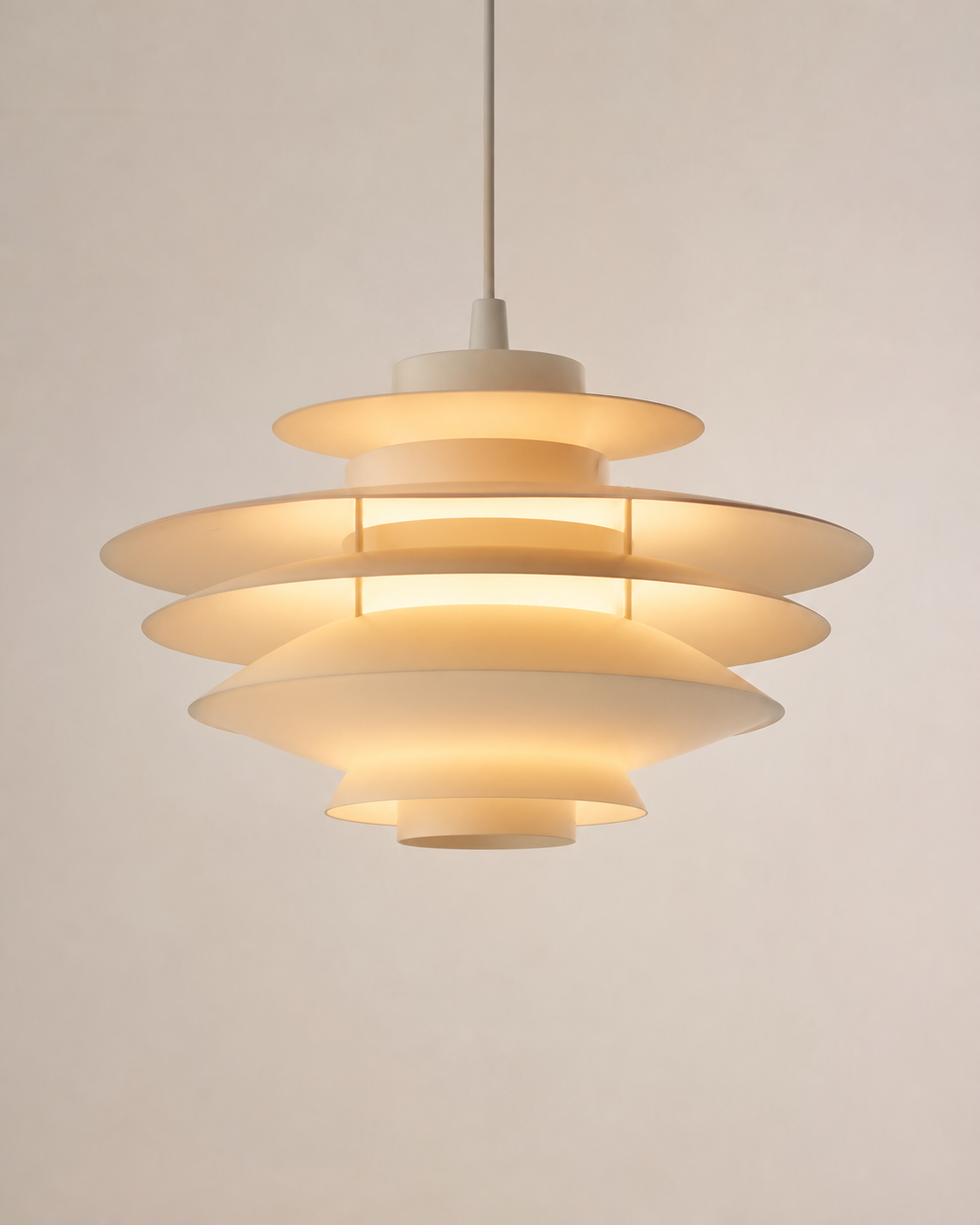
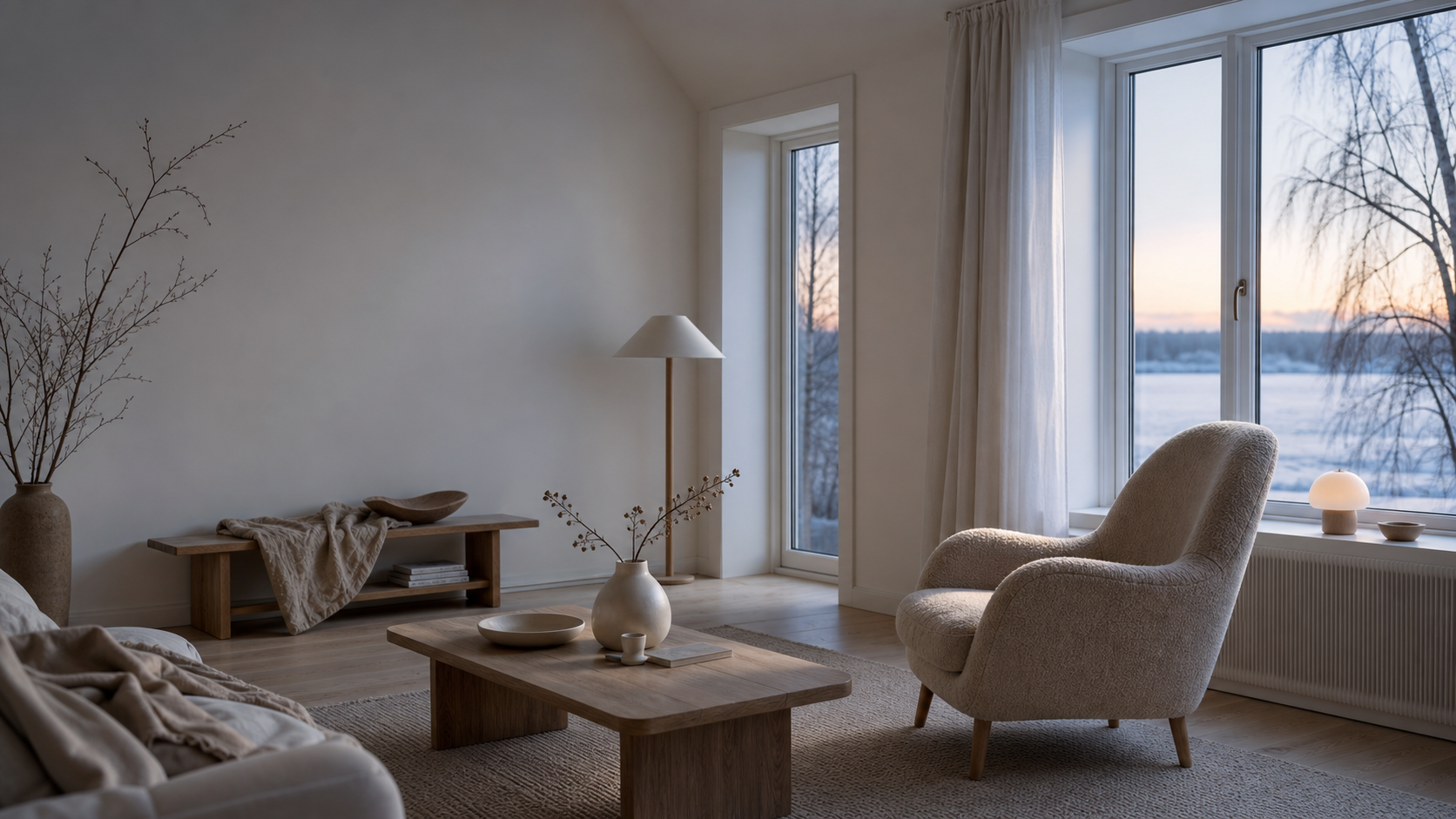
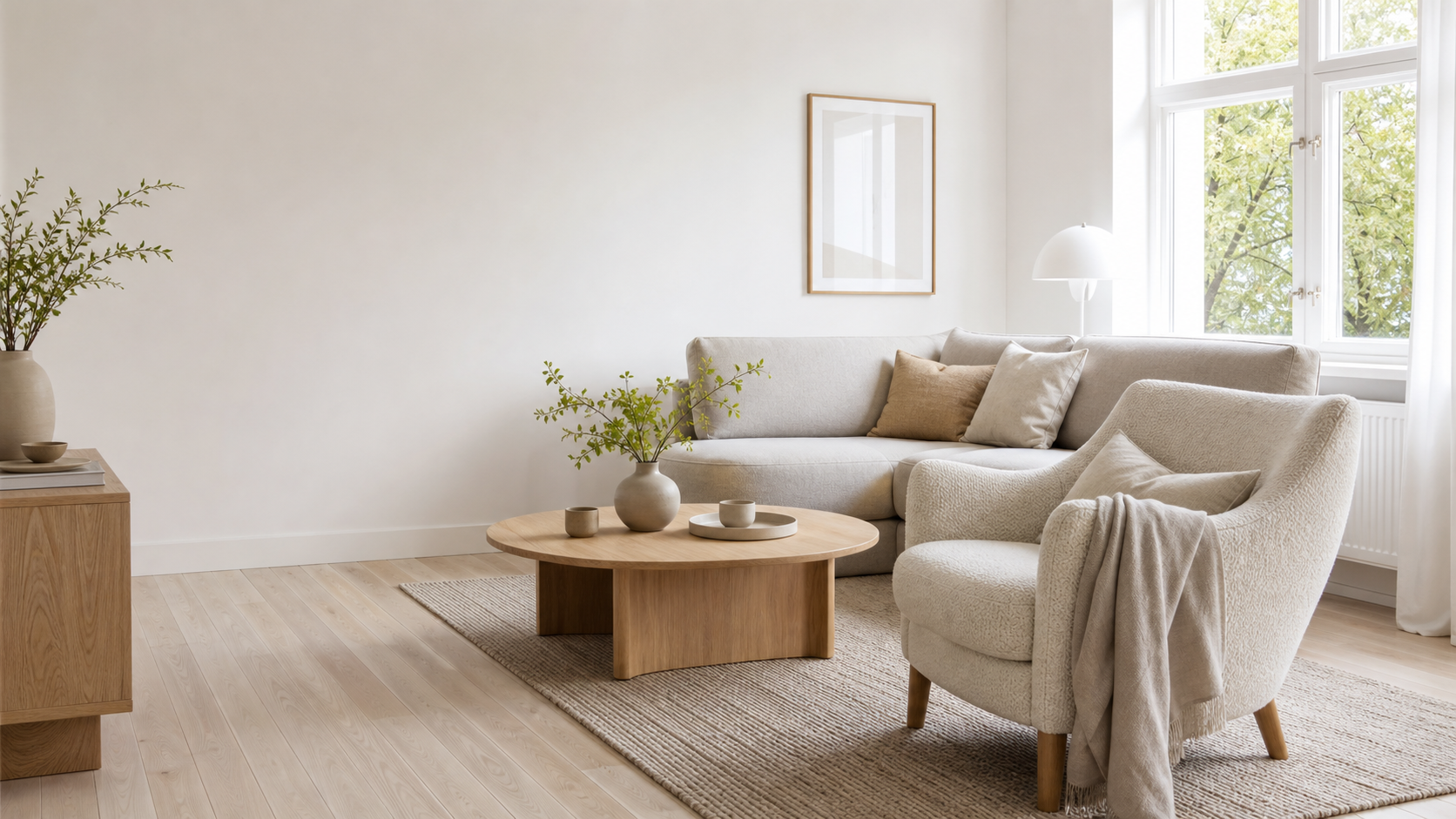
Calm, warm, and uncluttered. The Nordic design tradition where function, honesty and generous whitespace make beauty feel inevitable.

↓ scroll, slowly

Scene 01 — The Question

How does removing things
end up feeling warmer?

In most design traditions, less means colder. Fewer ornaments, fewer colors, fewer flourishes — and somehow, less warmth.

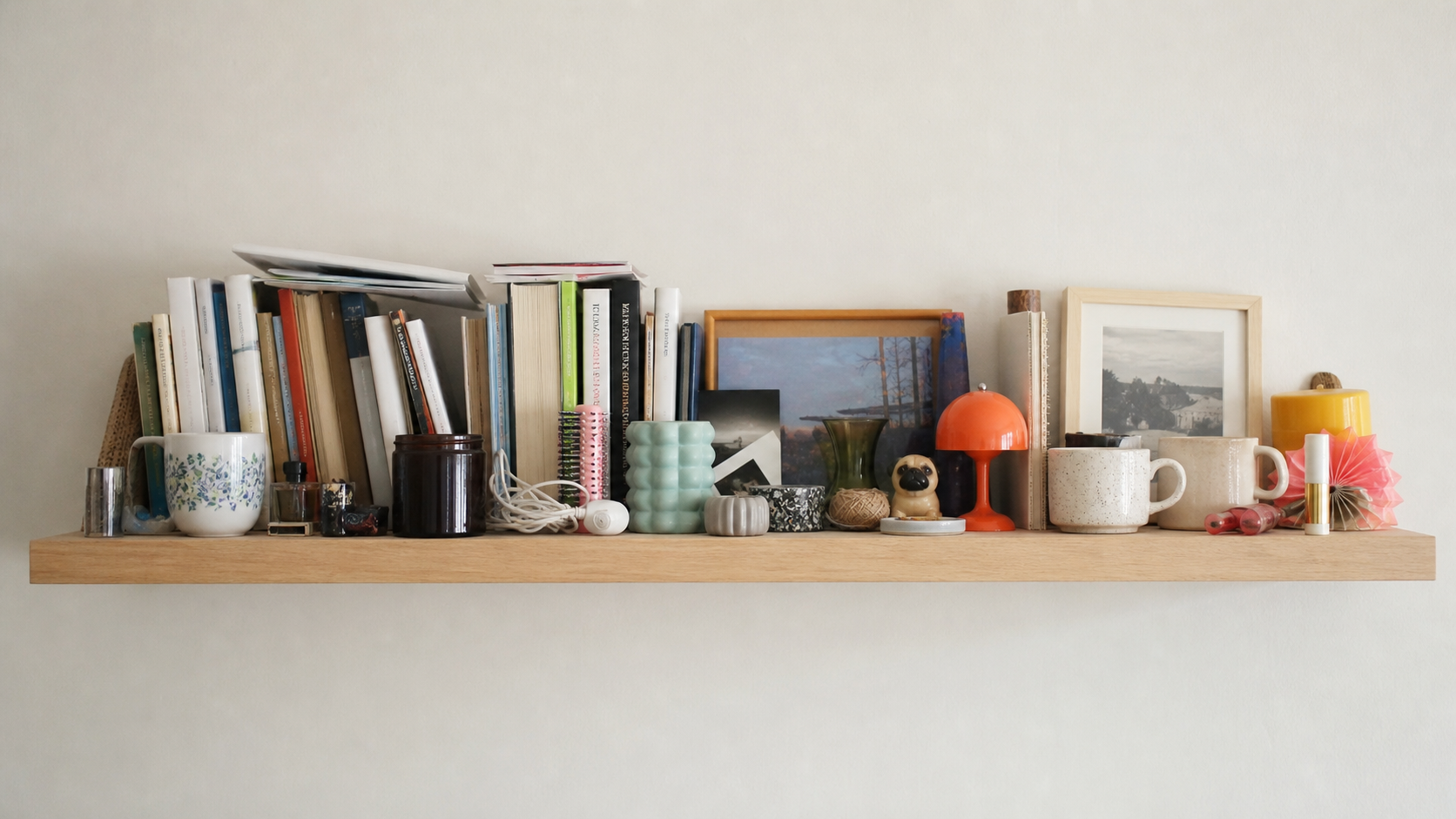
Scandinavian design breaks that rule. It strips away just as much, but keeps the human in the room: pale wood, soft light, a single warm accent.

Restraint, here, is a form of generosity — not absence.

Scene 02 — How We Got Here

A Century of
Quiet Conviction.

1919

"More Beautiful Everyday Things"

Swedish art historian Gregor Paulsson publishes a manifesto: mass-produced objects for ordinary homes deserve the same design care as luxury goods. A democratic premise, decades before the style has a name.

1930s

Functionalism takes hold

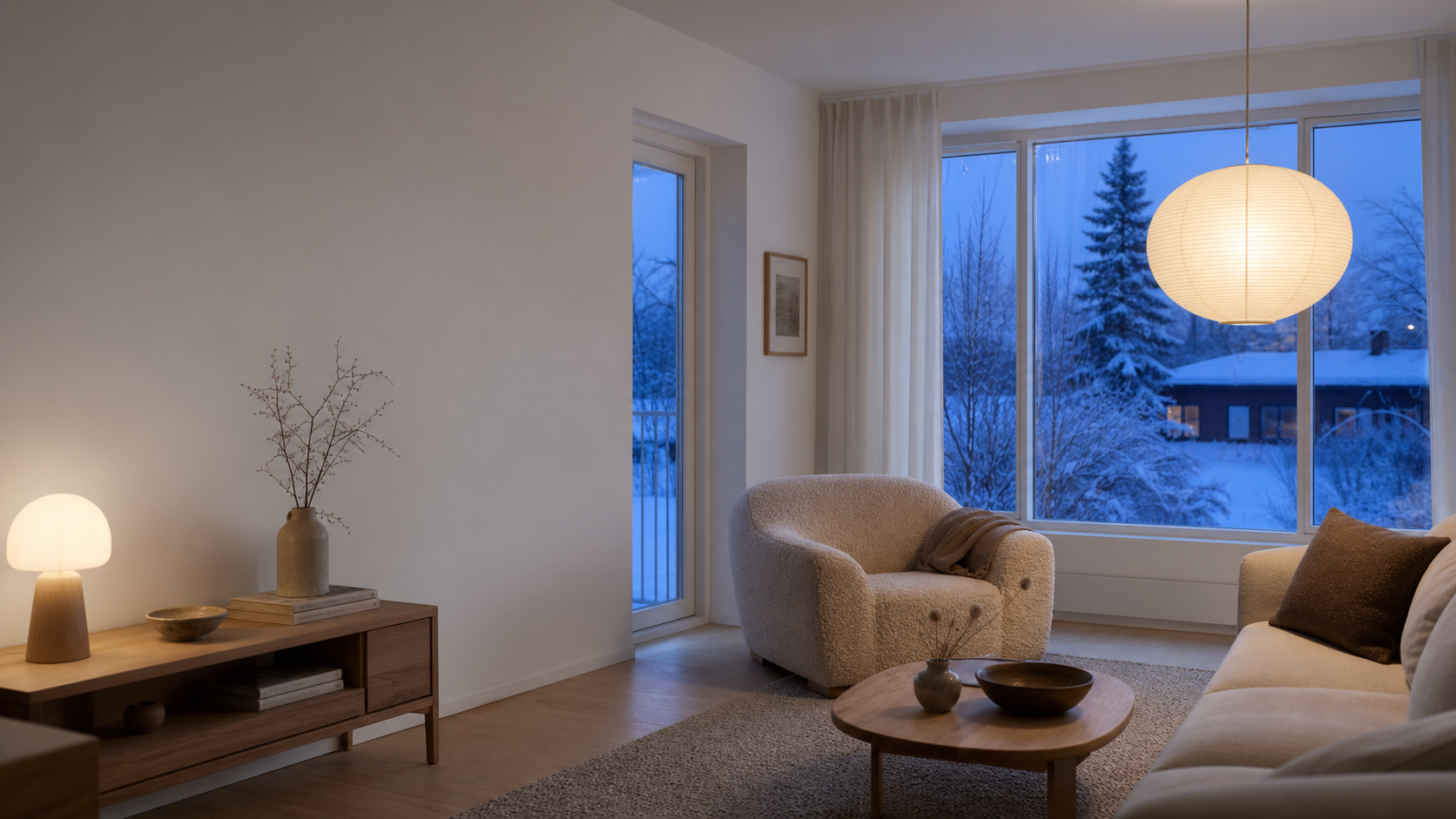
Long winters and scarce daylight push Nordic designers toward pale, light-maximizing, unornamented rooms. Function isn't an aesthetic choice — it's survival against six months of dusk.

1947

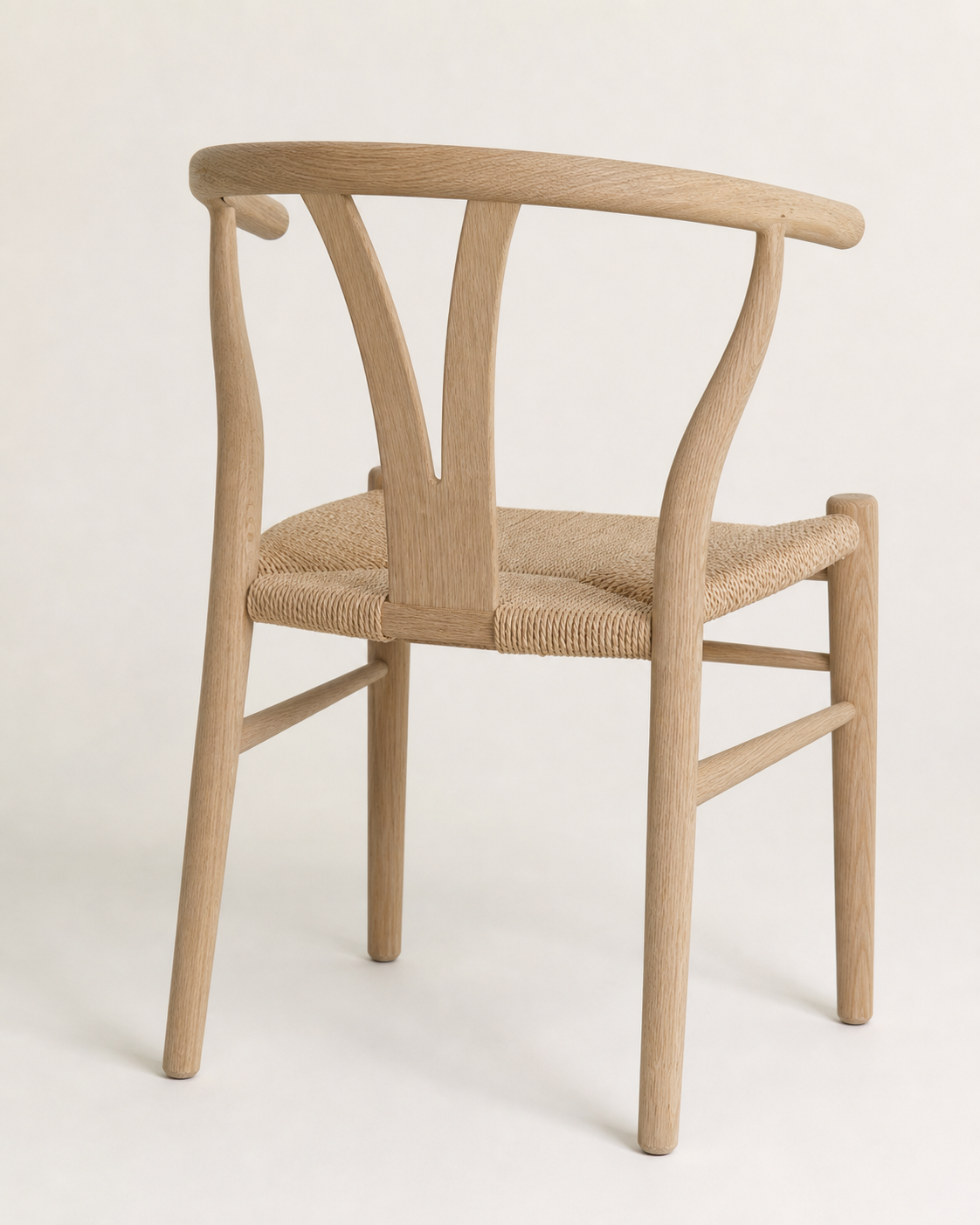
Hans Wegner designs the Round Chair

Joinery left honest and visible, nothing hidden. It becomes so iconic it's simply called 'The Chair.'

1954

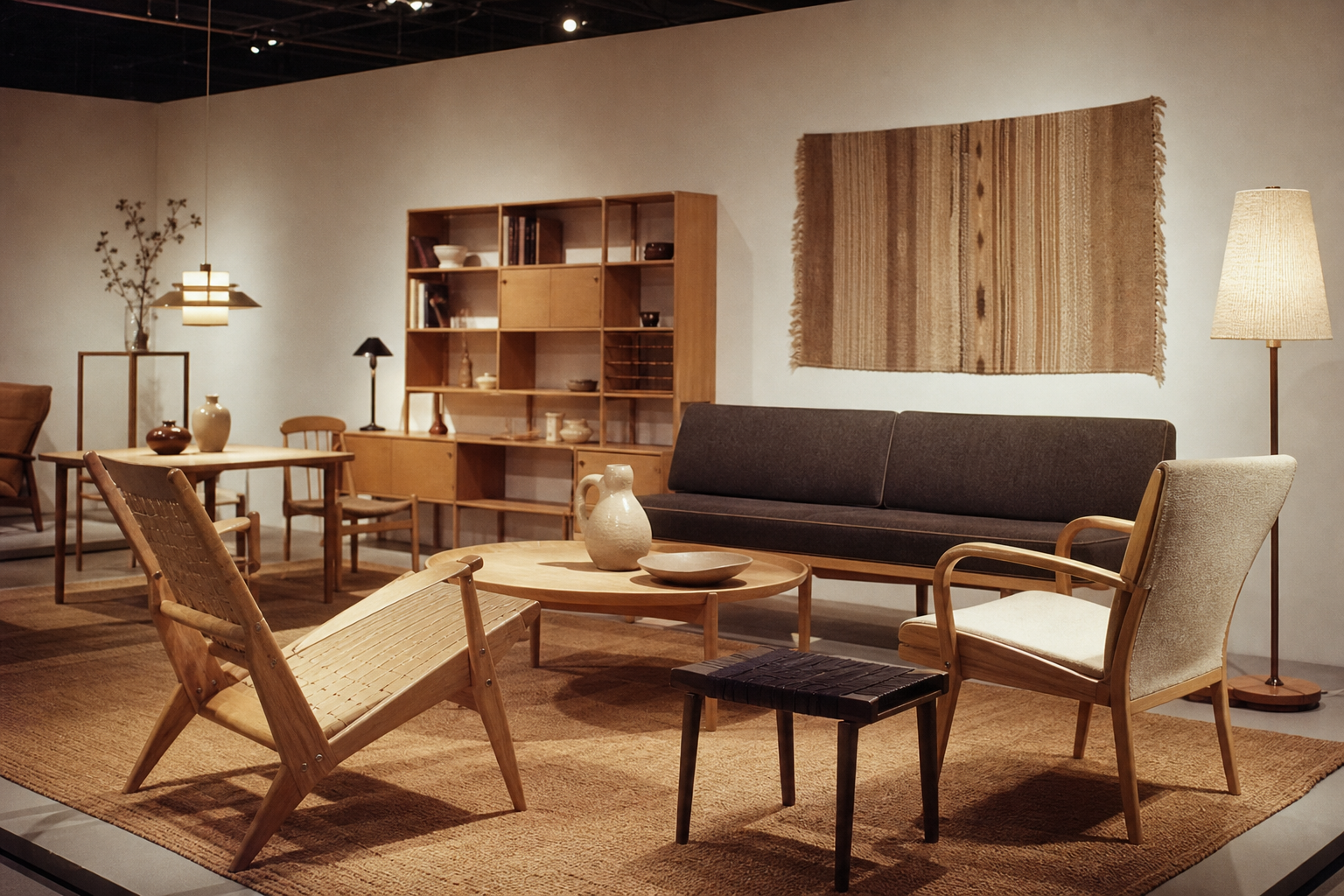
"Design in Scandinavia" tours North America

The exhibition exports the look globally and gives the world a name for what it's seeing.

1958

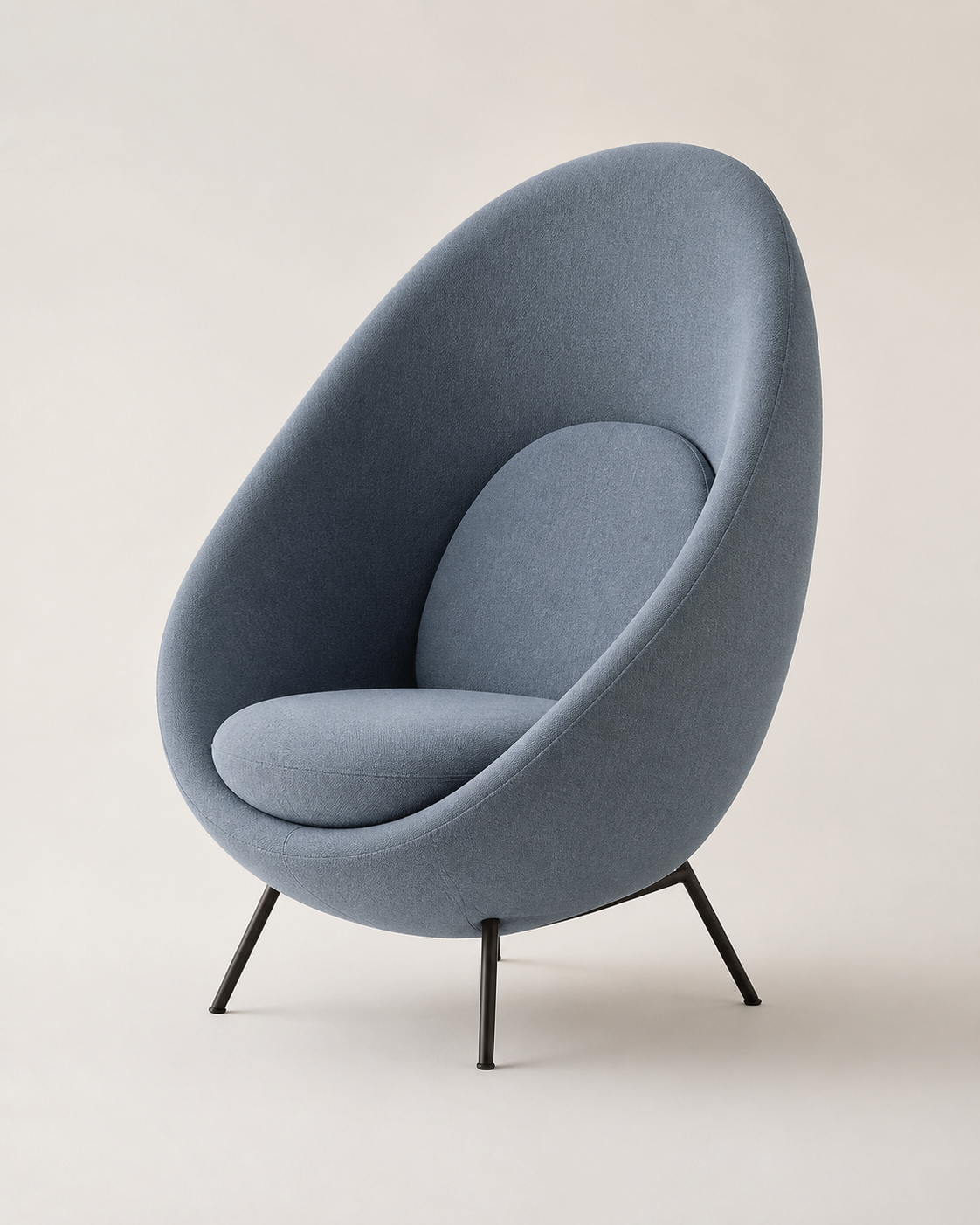
Arne Jacobsen designs the Egg Chair

Organic, sculptural form proves Nordic design can be playful, not only austere.

1958

IKEA opens its first store

Democratic design hits industrial scale — affordable, flat-packed, shipped to millions of ordinary homes.

1980s–90s

"Hygge" enters everyday vocabulary

The philosophy finally gets a word for its emotional core: cozy, unpretentious contentment.

NOW

Nordic minimalism becomes wellness default

Light, warmth, and restraint are now standard vocabulary for home, health, and lifestyle design worldwide.

Scene 03 — The People

A cabinetmaker's hands.
A winter's worth of light.

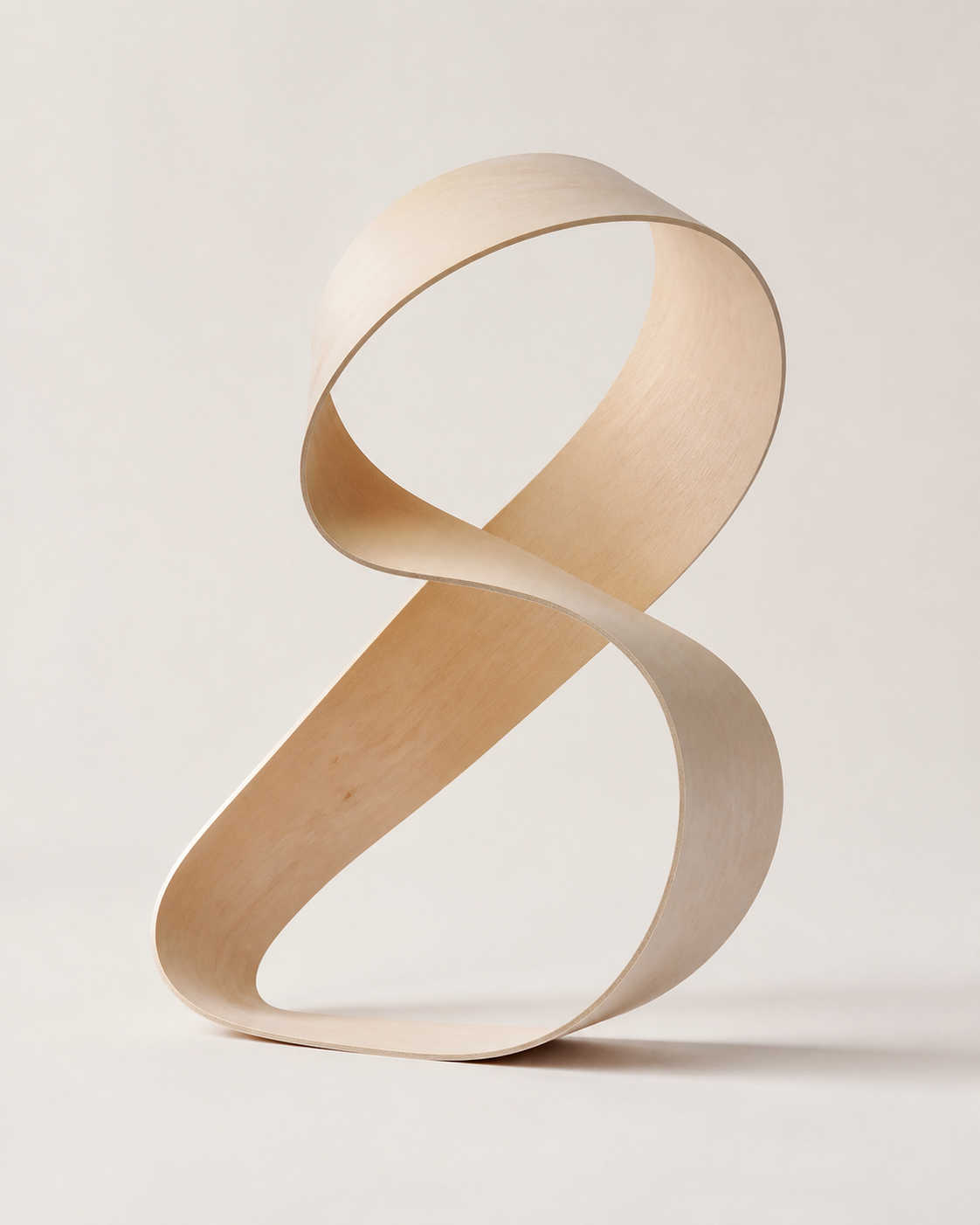
Alvar Aalto designed his bent-plywood furniture for a country, Finland, only just independent and still figuring out its own modern identity. Steel tube — fashionable across the rest of modernist Europe — felt cold in a Finnish winter, so he curved warm, native birch into shapes nobody thought wood could hold.

Hans Wegner, in Denmark, trained as a cabinetmaker before he ever became a furniture designer. He understood joinery with his hands first. His 1949 Round Chair was built so every joint stayed visible and honest — nothing hidden, nothing faked.

When that chair appeared, unscripted, behind the candidates in the televised 1960 Kennedy–Nixon debate, it became simply 'The Chair' — a global icon earned without a single advertisement.

Neither man was designing for the wealthy. The whole tradition traces back to a 1919 manifesto insisting that ordinary homes deserved the same care as luxury ones — a belief IKEA would later industrialize at a scale nobody in 1919 could have imagined.

"Restraint that still
feels human."

Scene 04 — The Design DNA

Five Quiet Rules.

Signal 01 · Gregor Paulsson's 1919 manifesto

FUNCTION FIRST

Every element earns its place by being useful. Decoration that doesn't serve the user isn't hidden — it's removed entirely.

"Clear. Purposeful. Nothing here is just for show."
Signal 02 · Pale birch wood, Nordic winters

WARM NEUTRALS

Soft whites, oatmeal, pale wood, and muted earth tones, lifted by a single warm accent. Never cold or clinical — warmth was a survival need, not a mood board choice.

"Cozy. Sunlit. Restraint that still feels human."
Signal 03 · Rooms built for scarce winter daylight

GENEROUS WHITESPACE

Light and air treated as materials. Space around content gives the eye room to rest, the same way Nordic rooms were designed to stretch what little daylight existed.

"Breathing room. Calm. Space as a gift, not a void."
Signal 04 · Hans Wegner's cabinetmaking training

HONEST JOINERY

Construction is never hidden or faked. Wegner trained as a cabinetmaker before he was a designer — visible joints were a matter of integrity, not style.

"Trustworthy. Tactile. You can see how it's made."
Signal 05 · Danish word for cozy contentment

HYGGE AS BRIEF

Comfort is a functional requirement, not a luxury. A chair that looks austere but isn't comfortable has failed at the actual job.

"Held. Unhurried. Restraint that wraps around you."
warm light,
soft texture,
no hurry

Scene 05 — Still Standing

The Canonical
References

1949
Hans Wegner's Round Chair

Became globally iconic after appearing unscripted in the Kennedy–Nixon debate.

1930s
Alvar Aalto's bent plywood

Solved a Finnish climate problem and became a design language of its own.

1958
IKEA

Democratic design industrialized at a global retail scale.

1958
Arne Jacobsen's Egg Chair

Proof Nordic design can be sculptural and playful, not only austere.

Now
Muuto / HAY

Contemporary Nordic furniture brands whose digital presence still embodies the same calm restraint.

Where it works

Home & lifestyleWellness & healthFurniture & interiorsEditorial & blogsSustainable brandsPremium e-commerce

Scene 06 — The Verdict

Restraint is not
absence. It's generosity.

When you remove what doesn't serve the room, what's left has space to be felt fully — light, warmth, the people in it. That's the whole tradition.