ENDURING.
Scene 01 — The question
When did silence become the most expensive thing a brand could offer?
Heritage luxury brands discovered that restraint communicates authority more powerfully than display. The quiet store, the unhurried craftsman, the unhelpful sales assistant — these are calculated signals. On the web, a slow page that shows little proves it can afford to show little.
The web translation is exact: a page that loads slowly, shows one thing at a time, and leaves most of the screen empty. The empty space is not absence — it is cost. It proves the brand can afford to show less.
Scene 02 — The journey
1837 to now.
The unbroken line.
The founding houses
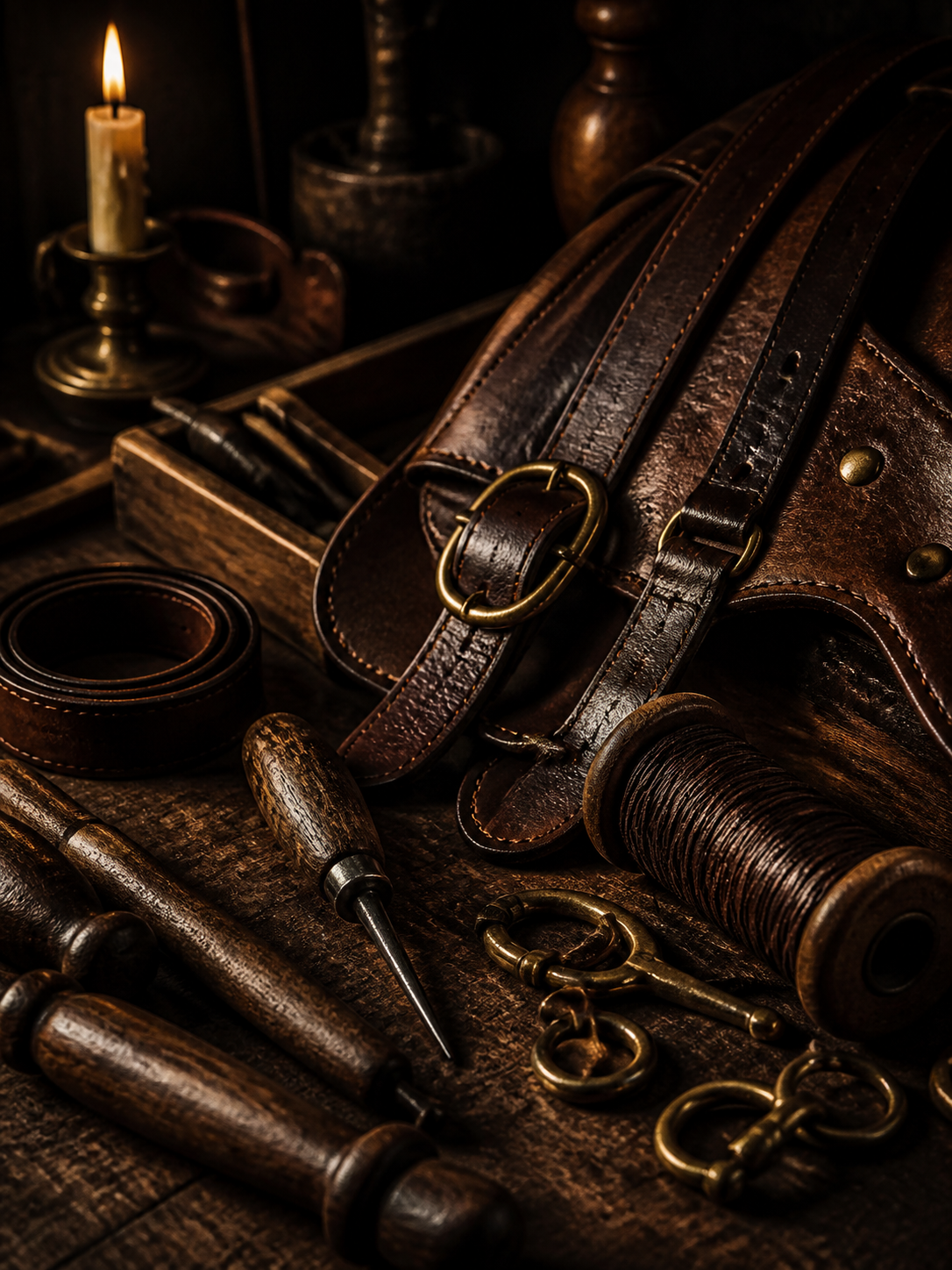
Hermès, Cartier, Bulgari — three founders who did not know they were building an aesthetic movement. They were building workshops. The movement came later, when the products outlasted the founders.
Craft as culture
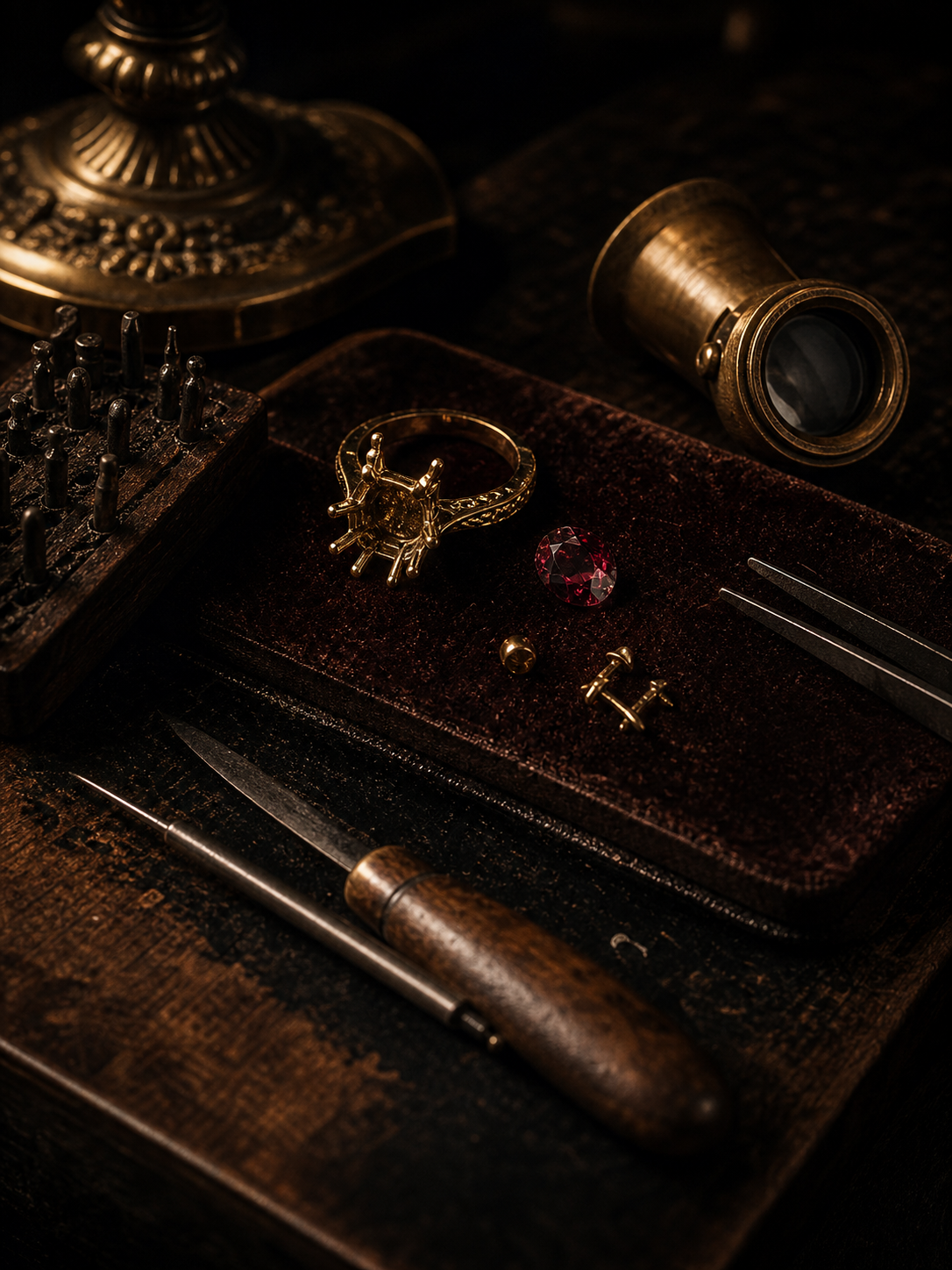
Rolls-Royce, Chanel, Dior — the mid-century expansion. Heritage luxury became a category. The houses discovered that clients did not simply want the object; they wanted the story of the object. The website is the current chapter of that story.
The cinematic web
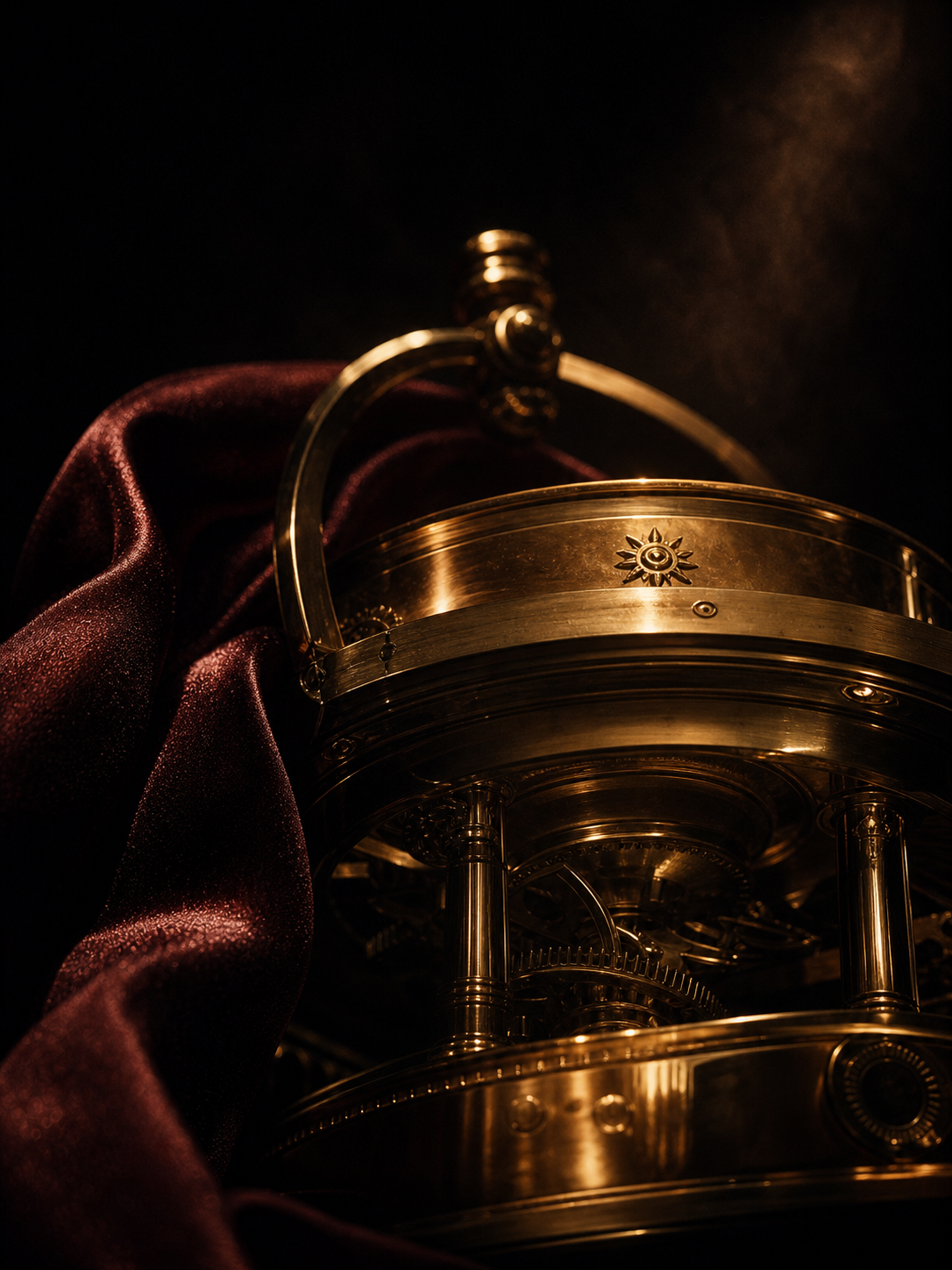
Cartier's three-minute film homepage in 2012 established the template: heritage luxury on the web is editorial film, not e-commerce. Slow, full-bleed, a single idea per page. The dark canvas proved the brand could afford to show almost nothing.
Scene 03 — The founders
They did not build brands.
They built workshops.
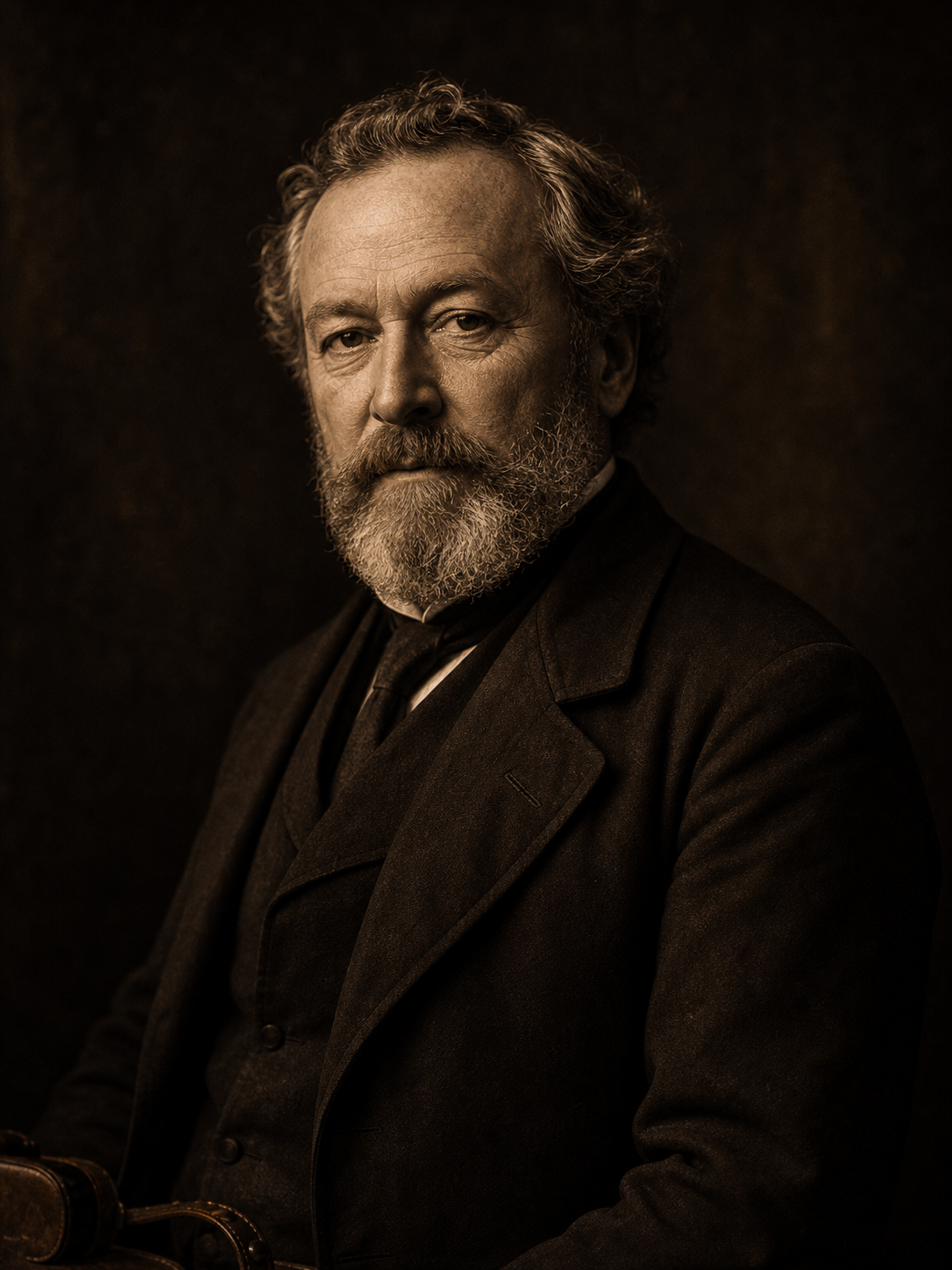
1801–1878
Thierry Hermès
Founder, Hermès
He did not set out to build a luxury house — he built a harness workshop. The leap from saddlery to silk scarves took a generation, but the logic never changed: the finest materials, assembled by hand, for clients who understood the difference. Every Hermès object since has been a variation on that sentence.
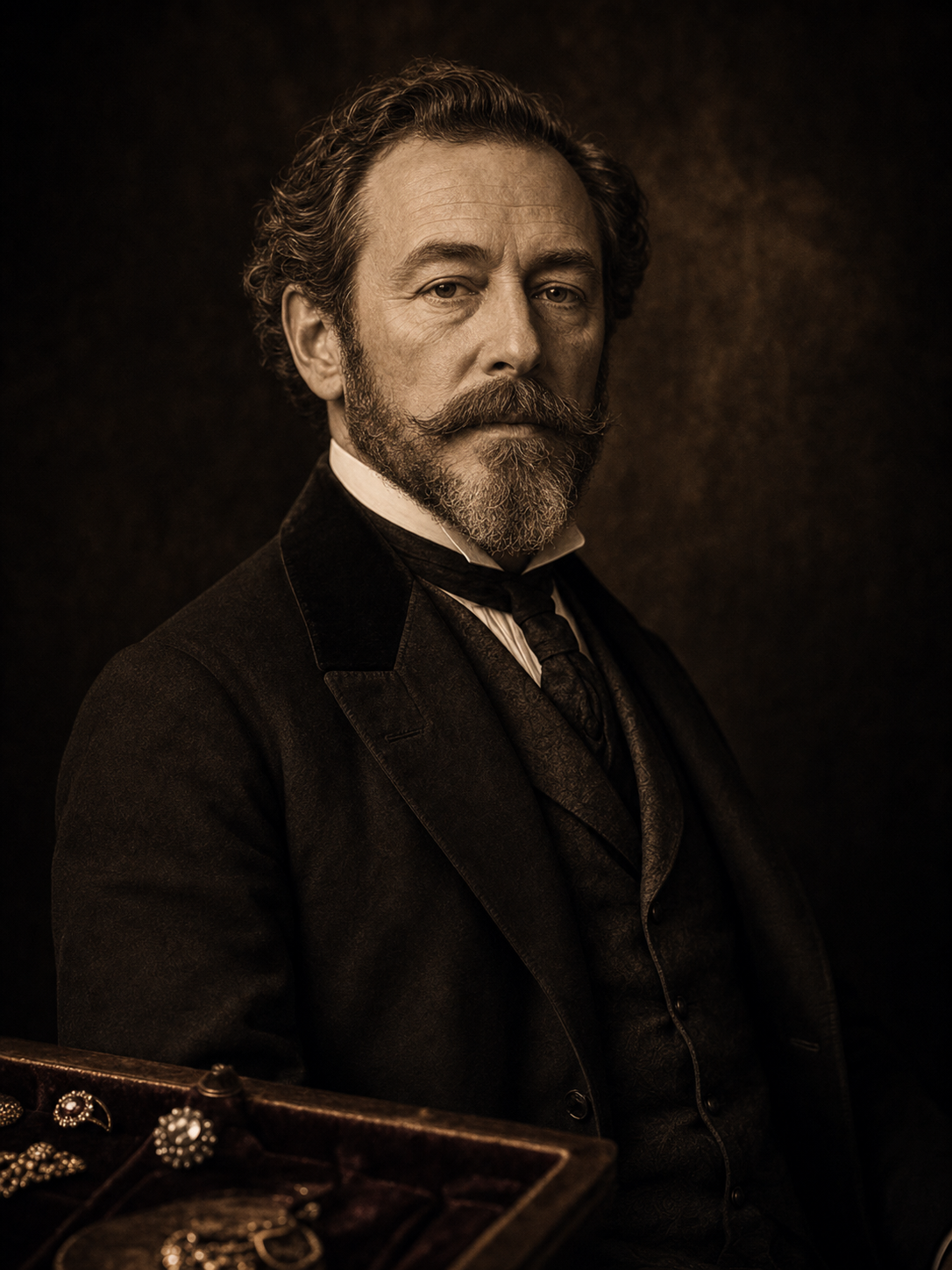
1819–1904
Louis-François Cartier
Founder, Cartier
Cartier understood something his contemporaries did not: that a jewel's value was not only its materials but its context. He made kings feel they were buying culture, not gemstones. That reframing — selling the idea of refinement rather than the object — is the intellectual foundation of every heritage luxury brand that followed.
Scene 04 — The design DNA
Five eras.
One word each.
Heritage luxury changed appearance every generation. The underlying signal did not.
The founding houses built for permanence: products made to last lifetimes, spaces built in stone. The web translation is the dark-field canvas — a background that does not age or trend.
Scene 05 — The archive
The canonical
references.
The houses that defined the category. Study them.
The house that proved a website could carry the weight of 175 years.
Dark editorial at scale — Didot meets full-bleed fashion photography.
Near-black canvas, BVLGARI in ivory — confidence through restraint.
The original craft house — its web presence is as unhurried as its objects.
Scene 06 — The verdict
The luxury is in what
you choose not to show.
Heritage luxury on the web is not a style decision — it is a confidence decision. A brand that shows less is telling you it does not need to convince you. The dark canvas, the single serif word, the unhurried scroll: each one is a measured act of restraint, not absence.